

To make this journey more accessible, we turned to four archetypes: the Sailor, the Gardener, the Joker and the Weaver.
Archetypes can be powerful storytelling tools because they embody universal qualities and roles that we intuitively understand. By giving shape and voice to broad concepts such as exploration, cultivation and chaos, they help us understand the abstract forces and patterns that drive change. They can also make taken-for-granted, unseen and assumed “truths” visible—and therefore more pliable, scrutable and comparable.
Each archetype offers its own path through this book, rather like a Choose Your Own Adventure novel. Together, they provide different entry points into the material, meeting readers where they are. A practitioner who relates to the slow, steady work of cultivating, caring for and supporting a community through change might begin their exploration with the Gardener.
Exploring the book through an unfamiliar archetype can be just as valuable as beginning with a familiar one. We offer a map with multiple trails—none better or worse than another, simply different. Ultimately, the archetypes serve both as characters within the narrative and as metaphors for different aspects of the practice itself. Some readers even think of them as different kinds of time travellers.
Weaver (picking up a carved figure): “I recognise them already. Introduce them properly.”
CT: With pleasure. There are four: the Sailor, the Joker, the Gardener and—
Weaver: —Me!
CT (smiling): Ha! Yes, you! As surely you know, Weaver, your role is to remind us that transformation is woven, not built piece by piece.
Weaver: Which is why you and I, in particular, are having this conversation. I’m helping you weave it all together for the reader.
CT: Exactly.
The Weaver
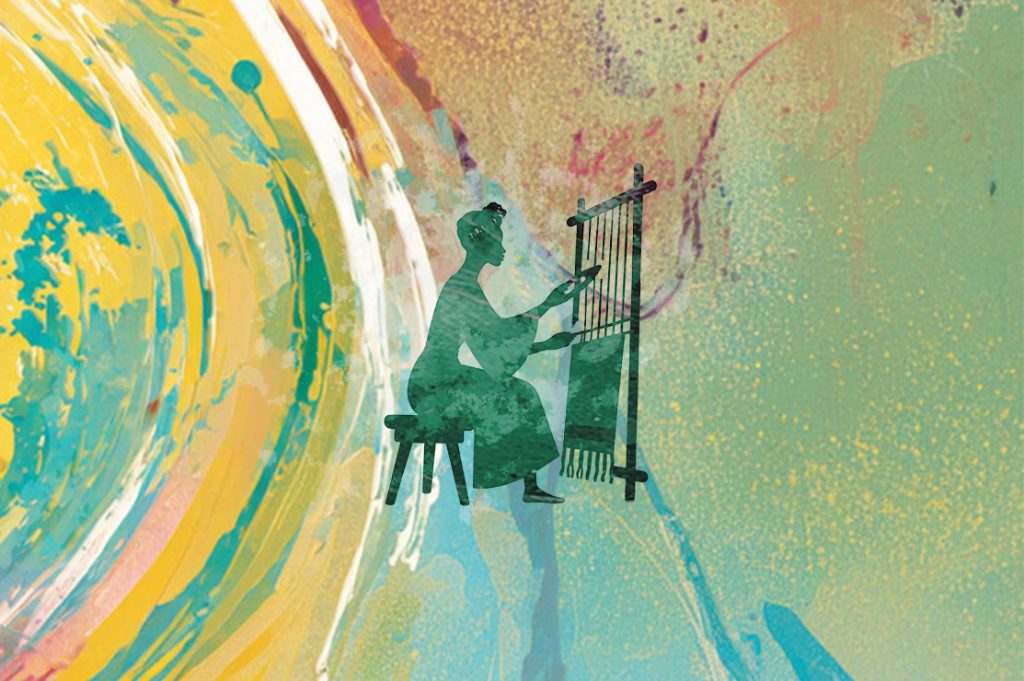
The Weaver is central to this narrative. She embodies interconnectedness, drawing together diverse insights and threads into a cohesive tapestry. Her skill lies in seeing patterns where others see only fragments, and she guides the reader through the web of ideas woven throughout the book.
The Weaver reminds us that foresight is not simply about looking forward, but about weaving the past, present and future into a meaningful whole.
The Sailor
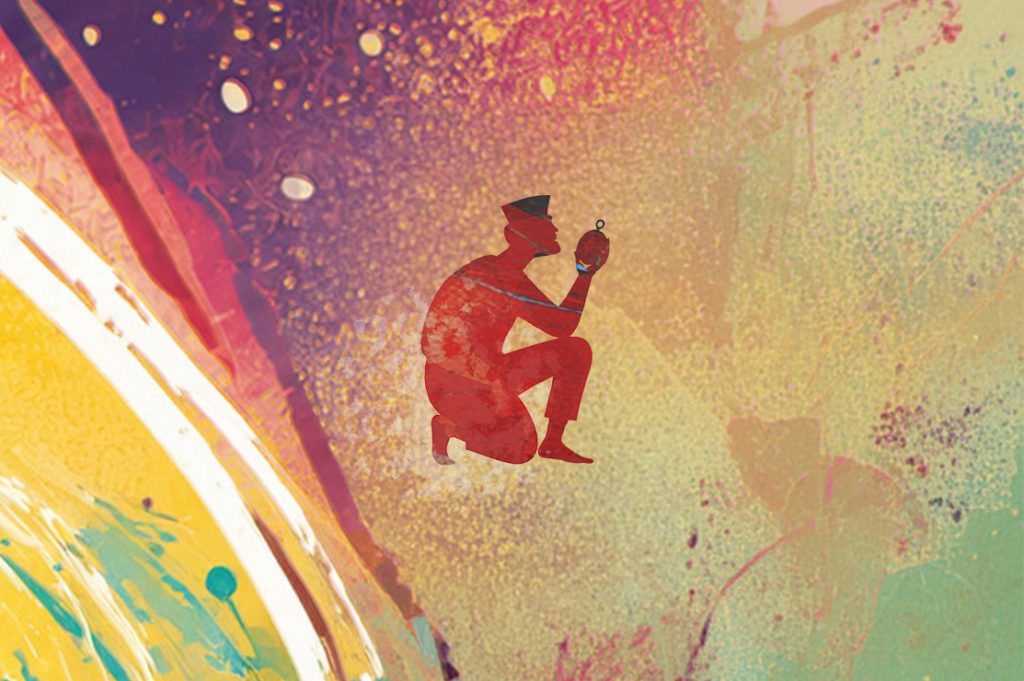
The Sailor represents exploration, adaptability and resilience. Navigating uncertainty with courage, he knows that the sea of the future is unpredictable, filled with uncharted waters and hidden reefs. But he trusts his compass, his intuition and the constellations that guide him.
The Sailor is our companion when the path forward is unclear, encouraging us to take risks and adapt to new conditions.
The Gardener

The Gardener embodies stewardship and a long-term perspective. She knows that change is not instantaneous: it must be cultivated, nurtured and given time to grow.
Working with the cycles of nature, the Gardener recognises both her capacity to cultivate change and the limits of her influence. She reminds us to respect the natural rhythms of blooming, decay and lying fallow that shape every movement for social change. She also teaches us about the diversity, interdependence and indivisibility of ecosystems, and how to work patiently and in harmony with forces beyond our control.
The Joker

The Joker disrupts conventional thinking, draws our attention to the uncontrollable and unlikely, and reminds us to embrace playfulness and creativity. They bring the joy and fun that sustain long journeys of transformation, while ensuring that we do not take ourselves too seriously.
The Joker also carries a subversive streak and is willing to question authority to its face. They remind us that transformation requires an openness to play with ideas, to be irreverent and to see the world from unexpected angles. But they also carry a sharper edge, drawing at times on destructiveness, anarchy and deliberate disrespect to break apart what no longer serves us, so that something new can emerge.
Together, these archetypes embody the qualities needed to play with time in ways that free us from the assumptions, limitations and trajectories of the present. They also represent the different ways people practise the craft of this work. The head, heart and hands of the Sailor will inevitably look different from those of the Joker.
Ultimately, although they are distinct, the archetypes are deeply interconnected. None stands alone: they support one another in a collective endeavour. Transformation requires the connectedness of the Weaver, the vision of the Sailor, the nurturing of the Gardener and the creativity—or anarchy—of the Joker.